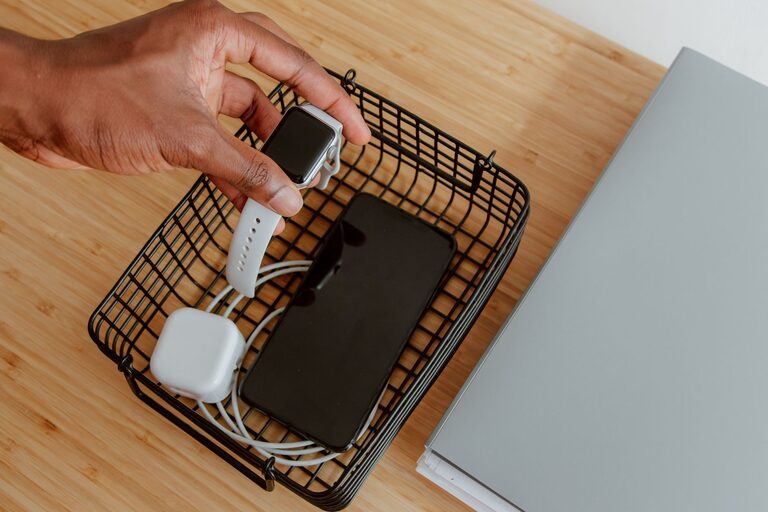

Establishing a weekly reset routine is a powerful way to recharge and prepare yourself for the week ahead. By setting aside time each week to refresh your mind, body, and environment, you can create space for increased focus, improved mood, and better organization. In this post, we’ll guide you through designing a personalized weekly reset routine that fits your lifestyle and helps you start each week feeling balanced and motivated.
What Is a Weekly Reset Routine?
A weekly reset routine is a dedicated time—usually once a week—that allows you to pause, reflect, and take care of essential tasks and self-care activities. Unlike daily routines that often focus on productivity and small tasks, a weekly reset offers a broader opportunity to declutter your space, plan ahead, and nurture your well-being.
Why You Should Have a Weekly Reset Routine
– Reduces Stress: Taking time to organize and reflect prevents last-minute chaos.
– Improves Productivity: Planning your week ahead helps prioritize tasks efficiently.
– Supports Mental Clarity: Clearing your physical and mental space can boost focus.
– Encourages Self-Care: Setting aside time for yourself each week fosters better well-being.
How to Design Your Weekly Reset Routine
1. Choose the Right Day and Time
Select a day and time when you can consistently dedicate uninterrupted time to your reset. Many find weekends or Sunday evenings effective because it allows them to prepare for Monday. Choose what feels best for you and stick to it.
2. Define Your Goals
What do you want to achieve with your weekly reset? It could include:
– Organizing your living or work space
– Reflecting on the past week’s wins and challenges
– Planning your schedule for the upcoming week
– Taking care of personal health and wellness tasks
Knowing your goals helps tailor your routine.
3. Create a Checklist or Template
Having a checklist keeps you on track and ensures you don’t forget important steps. Here’s a sample checklist you can customize:
– Declutter workspace or living area
– Review calendar and appointments
– Set top 3 priorities for the week
– Meal plan and grocery list
– Prepare clothes or items needed for the week
– Reflect on last week’s achievements and lessons
– Practice relaxation or self-care (meditation, journaling, etc.)
4. Incorporate Physical Organization Tasks
Tidying up your environment can significantly impact your mood and productivity. Consider:
– Cleaning your desk or workspace
– Sorting mail or documents
– Organizing digital files and emails
– Doing laundry or other household chores
5. Reflect and Journal
Spend a few minutes journaling about:
– What went well last week
– Challenges you faced
– What you want to improve
– Gratitude or positive moments
Reflection helps you learn and grow.
6. Plan and Prioritize
Look at your calendar and:
– Add appointments, meetings, and deadlines
– Set your top priorities and tasks for the week
– Break big projects into manageable steps
This kind of planning prevents overwhelm and keeps you focused.
7. Set Aside Time for Self-Care
Your reset routine should include time for yourself. This can vary widely depending on your preferences:
– Exercise or stretching
– Meditation or breathing exercises
– Reading or creative hobbies
– Preparing healthy meals or treats
8. Be Flexible and Adjust
Your routine should serve you, not restrict you. If some tasks don’t work well or feel overwhelming, tweak your routine. It’s okay to start small and build up over time.
Sample Weekly Reset Routine
Here’s an example of a simple 1-2 hour weekly reset routine:
– 10 minutes – Clean and declutter workspace
– 10 minutes – Organize digital files and emails
– 10 minutes – Review upcoming schedule and add appointments
– 15 minutes – Plan and prioritize weekly goals
– 15 minutes – Meal plan and grocery list
– 10 minutes – Reflect and journal
– 30 minutes – Self-care activity (walk, yoga, meditation)
Adjust the timing and activities based on your schedule.
Tips for Staying Consistent
– Set reminders on your phone or calendar.
– Create a dedicated reset space to make the process inviting.
– Make it enjoyable by playing music or lighting a candle.
– Track your progress to see the benefits over time.
– Start small and gradually add more steps.
Conclusion
Designing a weekly reset routine is a simple but effective way to gain control over your week and promote balance in your life. With some planning and consistency, this routine can become a valuable habit that refreshes your mind, organizes your surroundings, and fills your week with intention. Give it a try and adjust it as you learn what works best for you. Your future self will thank you!
About the Author